
Fleet fuel cards are ideal for managing fuel costs across a fleet so operating a fleet doesn’t feel like you’re fighting a losing battle. With traditional payment methods like cash, personal cards and company credit cards, there are gaps in visibility that make it nearly impossible to know what’s really happening with your fuel spending. Receipts disappear. Drivers fuel wherever it’s convenient regardless of price. Unauthorized purchases slip through. By the time you spot a problem, you’ve already paid for it. Not so with fleet fuel cards.
Fleet fuel cards create a direct connection between drivers, vehicles, and fuel purchases. Every transaction is tied to a specific card, so you always know who fueled which vehicle, where, and when.
Fleet fuel cards solve all these problems by putting structure around something that’s otherwise hard to control. They consolidate purchases, enforce the rules you set and give you the data you need to actually manage fuel instead of just paying for it.
Looking to cut fuel costs and up your management game? Apply for the Valero Fleet Card today. With no setup or monthly fees, it can be used at any Valero gas stations nationwide and includes competitive rebates.
Need universal acceptance? Apply for the Valero Fleet Plus Card.
The Valero Fleet Plus Card offers the same competitive fuel rebates at Valero locations and can be used at 95% of U.S. fuel stations and more than 45,000 service locations.
How Fleet Fuel Cards Work
Valero fleet cards are a payment method designed specifically for business vehicles. Each card is assigned to either a driver or a vehicle and transactions require authentication at the pump, typically via a PIN or an odometer reading. That authentication step does two things: it prevents unauthorized use and creates a record of exactly what happened.
Every time someone fuels up, the system captures transaction details:
- Fuel type and grade
- Gallons dispensed
- Location
- Date
- Time
- Purchase amount
This real-time data automatically flows into your fleet card dashboard, accessible online so you can view or generate reports whenever you need them. No more chasing down drivers for receipts or trying to piece together spending from bank statements.
You get complete visibility into fuel activity across your entire fleet and you get it in real time.
Why Do Fuel Costs Spiral Without Controls?
Fuel is expensive and for most fleets, it’s one of the biggest line items in the budget. What makes it worse is how unpredictable it can be. Prices fluctuate. Usage varies. And without the right systems in place, costs can rise without you realizing why.
Cash and standard credit cards don’t provide much to work with. You know money’s being spent but you don’t know the details until it’s too late. Was that fuel purchase legitimate? Did the driver refuel at a low-cost station or an expensive one? Are you paying for premium when regular would do the job? You’re flying blind.
Fleet fuel cards change that dynamic by building controls directly into the payment process:
- Set spending limits per card or per driver to prevent overages
- Restrict purchases by fuel type, location or time of day so transactions align with company policy
- Get automated real-time alerts when something doesn’t look right like unusual purchase amounts, declined cards or spending outside approved parameters
These aren’t features you have to monitor constantly. The system enforces them automatically so you’re preventing problems rather than reacting to them.
See What’s Happening With Your Fleet Vehicles
Fleet fuel cards create a direct connection between drivers, vehicles and fuel purchases. Every transaction is tied to a specific card so you always know who fueled which vehicle, where and when.
This transparency makes a difference. You can spot patterns you’d never catch otherwise:
- A driver who consistently fuels off-route adding unnecessary miles and time
- A vehicle burning through fuel faster than similar trucks in your fleet signaling a mechanical issue
- Fueling habits that waste money—like filling up at premium stations when cheaper options are nearby
Over time, this visibility helps you coach drivers toward better habits, catch maintenance problems early and tighten up fleet operations across the board.
Use Fuel Data to Stay Ahead of Maintenance
The fuel and odometer data your cards collect isn’t just about tracking expenses. It’s also an early warning system for mechanical problems. When a vehicle starts consuming more fuel than it should, something’s usually wrong. Maybe it needs an oil change, new air filters or tire alignment. Catching such issues early (before they lead to breakdowns) keeps your fleet running, reduces downtime and saves money on emergency repairs.
Proactive maintenance costs less than reactive maintenance and fuel card data provides the information you need to stay ahead of issues.
Stop Wasting Time on Paperwork
If you’ve ever spent an afternoon sorting through fuel receipts, entering transactions manually and trying to reconcile everything with your bank statement, you know how tedious that process is. Not to mention time-consuming, error-prone and frustrating.
Fleet fuel cards eliminate most of that work. All your fuel purchases roll up into a single account with itemized invoices. Transaction data is available online whenever you need it and you can export reports for reconciliation or tax purposes in seconds. Your accounting team gets clean data they can actually use and you can close out each month faster.
With less paperwork, you have more time for what actually matters: optimizing routes, managing drivers and planning for growth.
For fleet managers seeking to control costs, reduce waste and run tighter operations, fuel cards are among the most practical solutions available.
Reports That Tell You What You Need to Know
Raw transaction data isn’t useful unless you can make sense of it. Fuel cards include reporting tools that let you analyze spending however you need: by date, by driver, by vehicle or by location.
Want to see which drivers are your most efficient fuel users? Run the report. Need to know how much you’re spending at specific stations? Pull it up. Curious whether fuel costs are climbing in one region but holding steady in another? The data is there.
Most programs also send alerts when something unusual occurs such as declined transactions, purchases outside normal hours or spending that exceeds preset limits. You don’t have to wait weeks to find out there’s a problem. You know immediately.
Built-In Fraud Protection
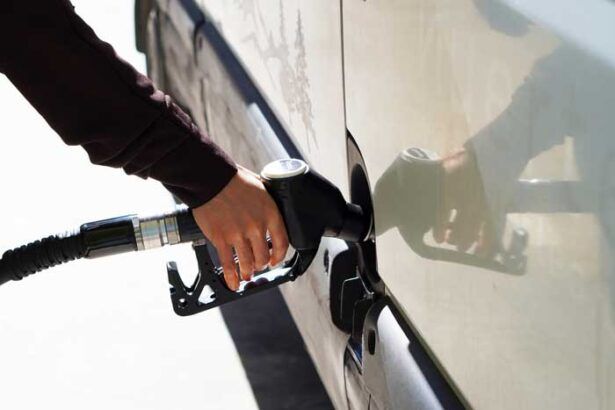
Fuel theft and card misuse are bigger risks than most businesses realize. When drivers have access to cash or unsecured cards, there’s little to stop someone from making an unauthorized purchase or claiming a personal fill-up as a business expense.
Fleet fuel cards address this with security features designed for fleet operations. Driver PINs ensure only authorized users can complete transactions. Spending controls block purchases that don’t align with company policy. And if a card is lost or stolen, you can deactivate it instantly.
All the while, the system automatically enforces your rules so you’re protected without having to monitor every transaction.
Fuel Where Your Fleet Operates
Fleet card programs generally offer two types of acceptance: branded networks and universal acceptance.
Branded network cards such as the Valero Fleet Card are accepted at specific fuel station chains. They have no fees and include competitive rebates which makes sense if your drivers mostly refuel at those locations anyway.
Universal acceptance cards like the Valero Fleet Plus Card work at nearly any station nationwide. They’re a better fit for fleets operating across multiple regions or requiring flexibility for long-haul routes.
The right choice depends on where your vehicles actually go. Either way, the goal is the same: drivers can conveniently refuel while you maintain control.
Fuel Cards Work for Small Fleets
You don’t need a hundred vehicles to make fleet cards worthwhile. Small businesses with just a handful of trucks get the same benefits: better visibility, tighter controls, fuel savings and simplified accounting.
As your fleet grows, the system scales with it. Adding new vehicles or drivers is easy. The same platform that works for five vehicles works for fifty.
A Tool to Help Manage Fuel for Your Fleet
The visibility provided by fleet fuel cards helps you make smarter decisions. The controls they enforce keep spending in check. The data they generate supports better planning, better budgeting and better outcomes across your entire operation.
For fleet managers seeking to control costs, reduce waste and run tighter operations, fuel cards are among the most practical solutions available. Find the right one for your business at valerofleetcards.com.